
In high-throughput facilities, whether bulk handling, warehousing or automated sortation, conveyors are the backbone of operations. When a line stops unexpectedly, the costs compound fast: lost throughput, idle labor, missed delivery windows and emergency repair bills.
Most costly conveyor failures aren't sudden catastrophes. They are the cumulative result of minor wear and tear ignored over time. Implementing a proactive Preventive Maintenance (PM) strategy keeps your equipment running efficiently, extends component life and protects your bottom line.
What Missed Inspections Look Like
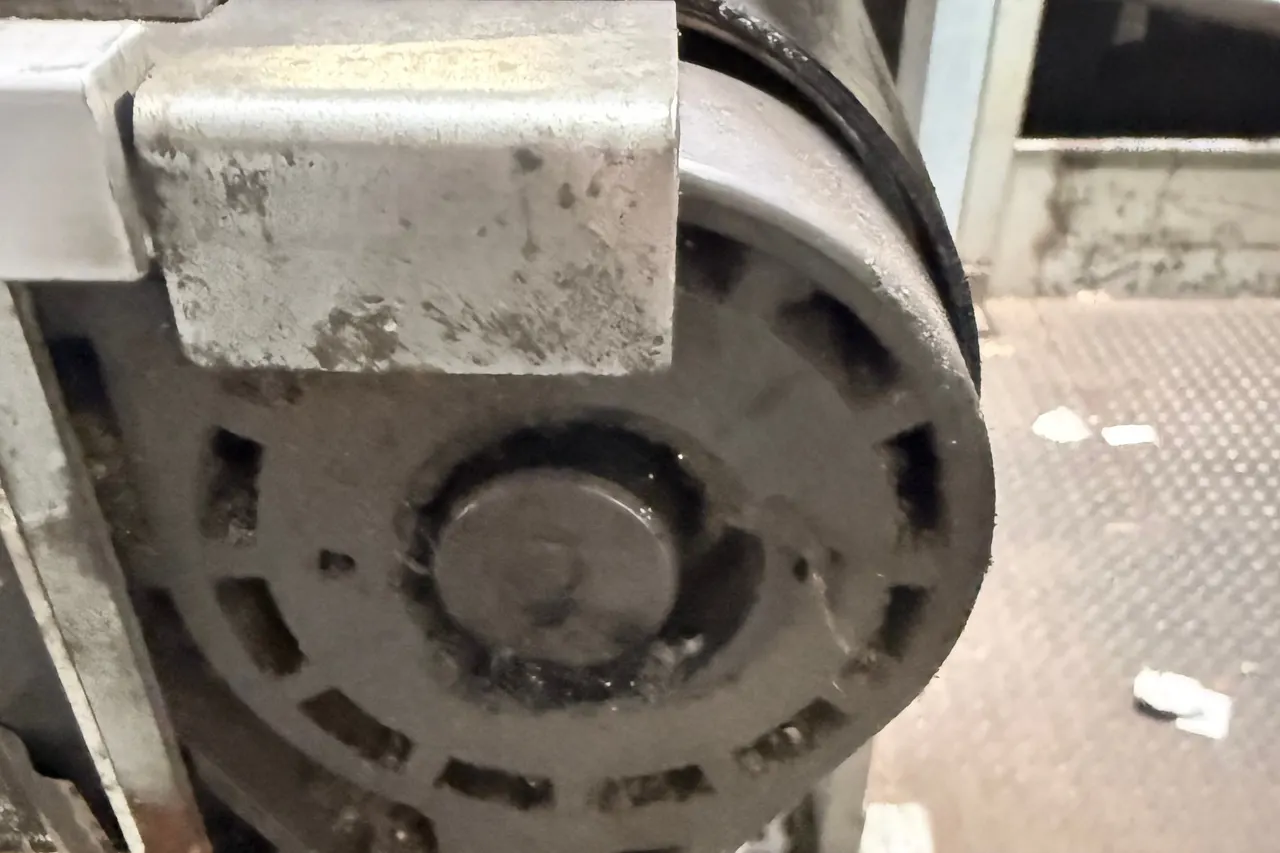
The photo at the top of this post and this video are courtesy of Conveyor Tek LLC. They show the result of failed or missed inspections. Conveyor Tek was called in to assess the conveyor and carry out a root cause analysis of the failure and how it occurred. The breakdown cost the customer additional labor because the equipment couldn't operate as it should, and it put employees at a higher risk of injury. All of it could have been prevented.
Reactive vs. Preventive Maintenance: The Real Cost Comparison
Waiting for equipment to break down before fixing it (reactive maintenance) is one of the most expensive ways to run a plant.
| Metric | Reactive Maintenance | Preventive Maintenance |
|---|---|---|
| Downtime Impact | Unplanned, chaotic, high-cost | Scheduled, controlled, minimal |
| Component Life | Premature failure of surrounding parts | Maximized service life across the system |
| Safety Risk | High (catastrophic failures, snapped belts) | Low (routine checks, early issue detection) |
| Repair Expenses | Premium parts pricing and expedited shipping | Planned inventory and bulk part procurement |
The Core Conveyor Maintenance Checklist
To keep your conveyor systems performing at peak reliability, maintenance teams should structure their inspections into daily, weekly and monthly/quarterly tasks.
1. Daily Visual & Operational Checks
Before ramping up production each shift, operators and maintenance staff should conduct a quick walk-around inspection:
- Belt Tracking & Alignment: Check if the belt is running true along the centerline. Mistracking causes edge damage and structural wear.
- Debris & Cleanliness: Ensure transfer points, pulleys and under-belt areas are free of material build-up.
- Noise & Vibration: Listen for abnormal grinding, squealing or knocking from bearings, drive motors and gearboxes.
- Safety Mechanisms: Test emergency stop pull-cords, guards and safety switches to verify proper operation.
2. Weekly Technical Checks
Weekly maintenance should focus on drive components, mechanical tension and wear parts:
- Belt Tension & Splice Inspection: Check mechanical fasteners or vulcanized joints for signs of separation, fraying or cracking. Verify proper take-up tension.
- Idler & Roller Operation: Look for seized, worn or missing idler rollers. A single seized roller acts as a brake, increasing belt drag and motor strain.
- Drive Chain & Belt Tension: Inspect drive belts and chains for correct tension and signs of elongation or wear.
- Lubrication: Check oil levels in gearboxes and lubricate bearings according to manufacturer specifications.
3. Monthly & Quarterly In-Depth Audits
Comprehensive quarterly reviews help catch long-term structural and electrical issues:
- Structural Integrity: Check framework, support legs and bed plates for cracking, loose bolts or misalignment.
- Drive Motor & Gearbox Health: Check motor temperature, perform thermal imaging inspections and inspect seals for oil leaks.
- Electrical & Sensor Calibration: Verify photo-eyes, proximity sensors and automated controls are clean, secure and properly calibrated.
- Wear Liners & Skirting: Inspect transfer chute skirts and impact beds for wear to prevent spillage and material leakage.
3 Pro Tips for Maximizing Conveyor Lifespan
- Train Operators as the First Line of Defense: Machine operators see and hear your conveyors every day. Teach them to recognize early signs of wear, unusual noises or tracking issues, so minor glitches are reported before becoming major repairs.
- Keep Critical Spare Parts in Stock: Maintain an inventory of high-wear components, such as replacement belting, bearings, rollers and drive belts, to eliminate lead-time delays during scheduled repairs.
- Partner with Conveyor Specialists: Regular audits by professional system integrators ensure your equipment is running at peak engineering specifications.
Partner with Conveyor Tek LLC
At Conveyor Tek LLC, we don't just supply high-performance conveyor systems and components. We help you keep them running reliably. From system audits and replacement parts to custom preventive maintenance programs, our experienced technicians ensure your material handling equipment delivers maximum uptime and efficiency.
Ready to optimize your facility's maintenance plan? Contact the team at Conveyor Tek LLC today to schedule a comprehensive system inspection or discuss custom maintenance solutions tailored to your operational needs.