
Conveyor Installation in Sebring, FL
Conveyor Installation in Sebring, FL takes more than tools and equipment. It takes field sense. The kind you get from working inside real facilities where production schedules matter and downtime gets noticed fast.
Sebring isn’t a heavy industrial port city. It’s different. Along US-27 and near the industrial areas by Sebring Regional Airport, you’ll find food processing operations, agricultural support facilities, packaging plants, and regional warehouses. Steady output. Practical layouts. Systems that need to work without drama.
At Conveyor Tek, that’s the standard we install to. Every conveyor installation is approached with one goal: get it running properly from the start. No repeated adjustments. No lingering tracking issues. Just clean, reliable operation.
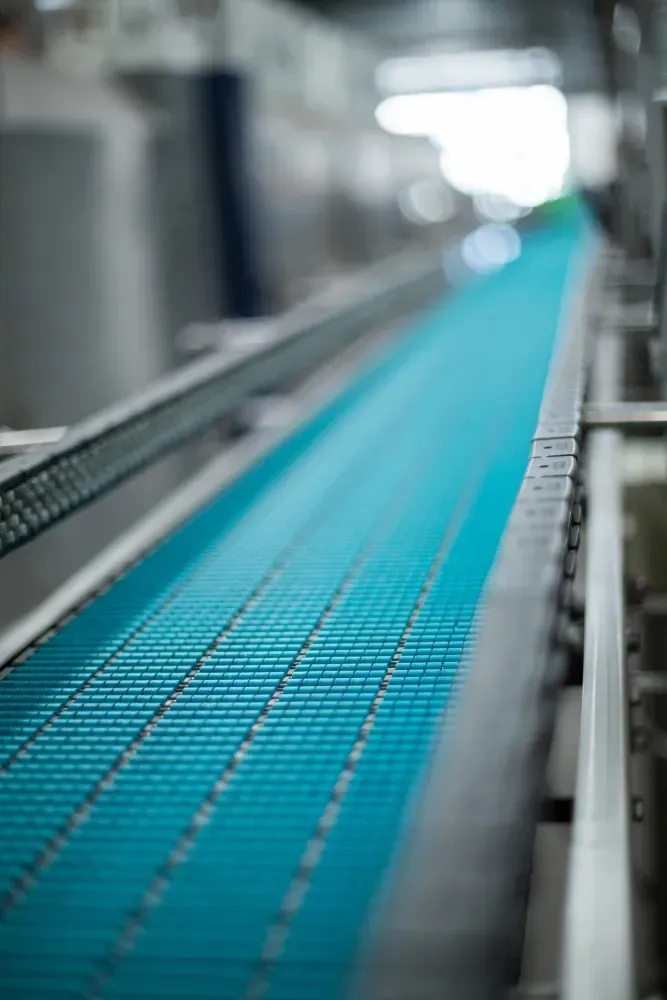
Practical Conveyor Installation for Sebring Facilities
Buildings here vary. Some have been modified over the years. Others are newer warehouse structures designed for modern material handling conveyor systems. Each one tells a different story.
This is usually where people run into problems.
A system gets ordered before the workflow is fully mapped. Clearances get assumed. Floor conditions get overlooked. Then installation day arrives.
We don’t work that way.
A proper conveyor system installation starts with understanding how product moves through the building. Where it enters. Where it’s processed. Where it leaves. Once that’s clear, layout decisions make sense.
Our work regularly includes:
- Industrial conveyor installation for production and processing lines
- Warehouse conveyor systems for storage and shipping
- Conveyor belt installation for packaging operations
- Conveyor assembly and installation during facility upgrades
- Automated conveyor installation for higher-volume throughput
Every project begins with a walkthrough. We look at power supply, anchoring surfaces, traffic flow, and environmental exposure. In this region, humidity and agricultural dust are real factors. Components need to hold up. That’s part of the planning.
Conveyor installation isn’t about dropping equipment into place. It’s about fitting the system into the facility so daily operations feel smoother, not tighter.
Conveyor System Design That Matches the Workflow
Strong conveyor system design prevents future service calls. It’s that simple.
Sometimes we’re involved early, when a layout is still flexible. Other times, we’re stepping into an existing operation where inefficiencies have already surfaced. Maybe cartons are backing up. Maybe product flow isn’t consistent. That’s where we begin.
A properly designed system should:
- Keep materials moving steadily
- Connect cleanly with existing equipment
- Leave room for safe conveyor maintenance
- Allow future adjustments without major disruption
Sebring facilities often evolved in phases. Columns aren’t perfectly spaced. Dock doors may not align symmetrically. Most slowdowns don’t happen because of bad equipment—they happen because of rushed planning.
We walk the space with supervisors. We ask about peak production seasons. We ask what tends to break down first. Those conversations shape the final conveyor setup and service plan.
Conveyor Belt Installation and Assembly
Conveyor belt installation looks straightforward. Frame. Belt. Motor.
But precision is everything.
If alignment is slightly off, tracking problems start. If tension isn’t correct, wear accelerates. Most recurring issues trace back to small details missed during installation.
Our process covers:
- Careful leveling and secure anchoring
- Inspection of pulleys and rollers before startup
- Proper belt tracking adjustments
- Load testing under operational conditions
Facilities near Sebring’s industrial corridor often operate on tight schedules. When downtime hits, it’s felt immediately. We coordinate conveyor assembly and installation around production demands whenever possible.
We’ve also seen what happens when installations are rushed. Misalignment leads to constant service calls. Motors strain. Belts drift. Doing it correctly the first time avoids that pattern.
Warehouse Conveyor Systems Supporting Distribution
Sebring supports regional distribution, especially for agricultural and packaged goods. Warehouse conveyor systems make a measurable difference in staging, sorting, and dock loading efficiency.
We install material handling conveyor systems designed for:
- Carton movement
- Sorting lanes
- Pallet transfers
- Dock feed systems
- Fulfillment operations
Inventory volume here can fluctuate with seasonality. A properly planned conveyor system installation helps facilities absorb those changes without overworking staff.
Efficiency isn’t about installing more equipment than necessary. It’s about reducing wasted motion. When flow improves, everything downstream feels easier.
Industrial Conveyor Installation for Production Environments
Manufacturing and processing facilities bring higher demands. Safety compliance. Sanitation requirements. Consistent load handling.
Industrial conveyor installation in these environments must be precise.
We support:
- Food production lines
- Packaging operations
- Workstation transfers
- Bulk material movement
- Assembly processes
Florida conditions matter. Corrosion resistance isn’t optional. Sealed bearings and proper motor protection extend lifespan. Ignoring those details usually leads to premature repairs.
Each conveyor system installation is built around actual production requirements. Belt material, drive configuration, frame strength—all selected based on how the system will truly be used.
Conveyor Maintenance and Repair Services
Even the best installations need ongoing care. Conveyor maintenance keeps small issues from turning into shutdowns.
Most breakdowns don’t happen suddenly. They build quietly. Bearings begin to wear. Rollers develop resistance. Belts drift slightly. That’s usually when someone calls.
Our conveyor repair services address:
- Belt tracking problems
- Roller and bearing replacements
- Drive motor issues
- Frame and alignment corrections
- Electrical troubleshooting
Facilities that operate extended hours benefit from scheduled inspections. Catching wear early prevents larger interruptions. When repairs are necessary, we focus on identifying the root cause rather than applying a short-term fix.
Why Sebring Facilities Choose Conveyor Tek
In Sebring, reputation travels fast. Facility managers talk. Reliability matters.
At Conveyor Tek, we focus on straightforward execution:
- Clear communication from start to finish
- Realistic timelines
- Clean, organized work areas
- Coordination with electricians and contractors
- Installations built for steady daily use
Conveyor Installation in Sebring, FL often means working around active production. That requires flexibility and attention to detail. We adapt to the facility’s schedule instead of forcing one.
Experience shows in the finished product. Systems run smoother. Service calls drop. That’s what customers notice.
A Process That Keeps Projects Moving
Our approach is consistent, though every facility is different.
- Site Evaluation – Layout, utilities, workflow. We assess it all.
- Planning and Conveyor System Design Input – Adjustments are made to fit the operation.
- Installation Coordination – Scheduling aligns with production timing.
- Professional Installation – Equipment is assembled, leveled, and tested thoroughly.
- Operational Review – Final walkthrough and guidance for conveyor maintenance moving forward.
Whether the building is closer to downtown Sebring or near the airport industrial area, precision remains the priority.
Service Areas
In addition to Sebring, Conveyor Tek provides conveyor installation and related services in:
- Clermont
- Palm Bay
- West Palm Beach
- Lehigh Acres
Each region presents different facility layouts and operational needs. Our installation approach adjusts accordingly.
Coral Springs–Specific FAQs
How do you handle installation in facilities that can’t shut down completely?
We plan installations in stages whenever possible. Sections are assembled during slower production windows or off-hours. Clear communication with supervisors keeps workflow intact.
Does humidity affect conveyor performance?
Over time, yes. Moisture can impact metal components and bearings. We recommend appropriate materials and emphasize regular conveyor maintenance to extend equipment life.
What preparation should be completed before installation?
The work area should be cleared, and power access confirmed. Delivery timing for equipment should also be coordinated. We outline these details before installation begins.
Can an existing system be expanded instead of replaced?
Often it can. We evaluate structural integrity and current capacity to determine whether conveyor assembly and installation of additional sections will meet your goals. Strategic upgrades are sometimes more practical than full replacement.
How long will my project take?
Timelines depend on system size and site readiness. Smaller conveyor belt installation projects may take several days. Larger industrial conveyor installation projects require more coordination. We provide a clear schedule after the initial review.
Let’s Talk About Your Facility
If you’re planning a conveyor installation, upgrading warehouse conveyor systems, or need dependable conveyor repair services, Conveyor Tek is ready to step in.
We bring practical experience, steady execution, and a clear understanding of how facilities in Sebring operate. Reach out to schedule a site visit. We’ll review your space and provide a plan built for reliable performance.