
Reliable Conveyor Installation Services in Miramar, FL
When facilities need conveyor installation in Miramar, the job usually has to fit inside tight delivery windows, heavy truck schedules, and the nonstop pace that defines the Miramar Park of Commerce and nearby corporate distribution hubs.
Whether you’re upgrading throughput, adding automated lines, or integrating warehouse conveyor systems into a growing logistics operation, we handle everything from
conveyor system installation to conveyor belt installation,
full conveyor maintenance in Miramar, and fast-response conveyor repair services designed for high-volume facilities.
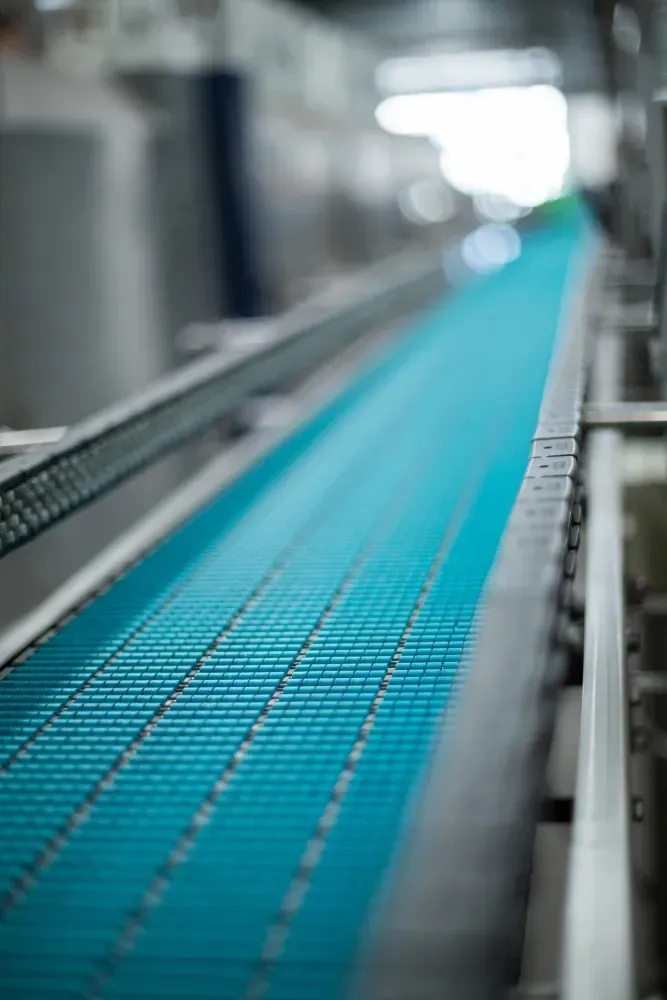
How We Fit Conveyor System Installation Into Miramar’s Tight Delivery Windows
Miramar moves at a different speed—big trucks in, big trucks out, all day long. Most distribution centers here run set schedules tied to Red Road, the Turnpike, and the Park of Commerce corridors.
That means conveyor installs often have to happen during narrow windows when trucks aren’t loading, docks aren’t congested, and staff can clear space without disrupting the workflow.
When we handle conveyor system installation, we plan around your exact traffic cycles. If your busiest hours are 4 a.m. to noon, we install after hours. If your highest freight arrival is mid-afternoon, we stage equipment during low flow. Miramar forces you to respect the clock—and we build your install schedule to match it.
Conveyor Assembly Work Inside the Miramar Park of Commerce
The Miramar Park of Commerce is its own world—Amazon, Target, office supply distributors, and dozens of corporate logistics tenants that run massive material handling systems under one roof or across multiple connected buildings.
For these facilities, conveyor assembly and installation in Miramar involves coordinating with security, staging equipment across multiple dock doors, & moving fast so floors return to operational status without delay.
These are big, high-throughput spaces with long runs, multiple merge points, heavy pallet volume, & automation that must stay perfectly synced. Our team is used to navigating badge access, high-traffic bays, lift equipment that never stops moving, and the sheer flow of corporate logistics operations. We’ve built systems to fit everything from single outbound lines to full-building sortation routes.
Everyday Operational Realities Inside Miramar’s Corporate Logistics Grid
Reserved Dock Calendars That Change By the Hour
Miramar’s major distribution centers run dock schedules like air-traffic control, so conveyor installation crews must work inside narrow, pre-approved time windows without interrupting live freight flow.
Interior Vehicle Movement That Never Stops
With nonstop forklift, yard tractor, and pallet-jack traffic inside Miramar’s mega facilities, we install conveyor systems in controlled zones to stay clear of equipment lanes and keep operations moving.
Strict Corporate Safety Compliance
Miramar’s corporate hubs follow tight safety and access protocols, and our conveyor installation team adheres to every facility’s rules—from PPE layers to badge-restricted aisles and lockout tagging.
Zero-Delay Expectations From Corporate HQ
Because Miramar distribution centers run on real-time performance dashboards, we coordinate with onsite managers and HQ so conveyor installation stays aligned with throughput and uptime demands.
What High-Volume Corporate Facilities Need From Conveyor Belt Installation
Corporate logistics centers in Miramar don’t just need conveyors—they need conveyors that move quickly, safely, and in sync with automated scanners, pick modules, and multi-line distribution layouts. When we handle conveyor belt installation, we build systems built for:
• High-speed transport
• Multi-directional flow
• Parallel lines feeding shared sorters
• Frequent loading/unloading cycles
• Heavy uptime requirements
Belts need precise tensioning, durable materials, and seamless transitions to keep goods moving without bottlenecks. These aren’t small belts—they’re high-throughput components designed to carry enormous daily volume.
Maintenance Routines Tailored for Nonstop Distribution Activity
Most Miramar facilities can’t shut down easily. They run from sunrise to late night—or literally 24/7. That means conveyor maintenance has to happen when your loading volume dips or during pre-scheduled off-hour cycles. Our team performs:
• Overnight inspections
• Weekend maintenance windows
• Quick swaps during low-traffic minutes
• Full-system checks tied to your outbound cycle
In high-volume corporate environments, maintenance isn’t about major downtime—it’s about quick, efficient routines that prevent breakdowns and keep the line moving under constant demand.
Conveyor Repair Services Built for Busy Red Road Freight Corridors
When a conveyor goes down in Miramar, the ripple effect hits fast—trucks idle, shipments back up, staging areas crowd, and throughput slows. Facilities near Red Road, the Turnpike, and the Park of Commerce often rely on rapid fixes rather than drawn-out diagnostics.
That’s why our
conveyor repair services follow a “patch then refine” approach:
1. Immediate stabilization—get the belt moving safely again.
2. Short-term corrections—alignment, rollers, tensioning.
3. Final refined repair—replacement parts, motor work, and control fixes.
You get back online quickly, and then we circle back during a low-volume window for the complete, long-term repair.
Designing Warehouse Conveyor Systems for Corporate-Scale Performance
Miramar’s distribution centers need systems that move volume—fast and reliably. When we handle conveyor system design, we focus on the layout structures that corporate facilities rely on most:
• Parallel conveyor lines for multiple zones
• Redundant pathways for uninterrupted flow
• Automated sortation modules
• Packaging-to-outbound integration
• Scan tunnels and merge points
• Conveyor-to-rack system mapping
For material handling conveyor systems, everything is built around uptime, predictability, and throughput. Miramar’s distribution centers don’t slow down—and neither can your conveyor.
Automated Conveyor Installation Built for High-Output Operation
Many large operations in Miramar upgrade to advanced automation—scan-based routing, smart conveyors, and optimized picking lines. When we handle automated conveyor installation, we integrate sensors, control panels, PLCs, and safety circuits that keep the system running efficiently even during peak movement.
These installations need more planning, more testing, and more precise calibration than standard mechanical conveyors. We tune each section so your automation stays synchronized from the moment you go live.

Ready to Upgrade Your Miramar Conveyor System?
If you’re planning
conveyor installation in Miramar, expanding a corporate distribution center, or upgrading to automated lines, we install systems built to handle high-speed, high-traffic, high-output operations.
From the Park of Commerce to the Red Road freight corridor, we design, assemble, and maintain conveyors that keep your facility running at the pace Miramar demands. For more details, call
Conyevor Tek today!
Miramar-Specific FAQs
Do you install conveyors during off-hours to avoid workflow disruption?
Yes—most Miramar installs must be timed around traffic and loading cycles.
Can you work inside high-security corporate logistics buildings?
Absolutely. We’re familiar with badge access, staging rules, and multi-tenant buildings.
What causes the most conveyor issues in Miramar’s high-volume facilities?
There's a lot going on with heavy throughput and fast cycle demands, plus nonstop operation that really puts a strain on components.
Can you design conveyor systems for large distribution centers like those in the Park of Commerce?
Yes—we handle multi-line layouts, automation integration, ¶allel conveyor design.
How fast can you respond to conveyor breakdowns in Miramar?
Very quickly—we prioritize stabilization first, then schedule full repairs during low-volume hours.